
Explore How Custom Pin Badges are Made in Australia
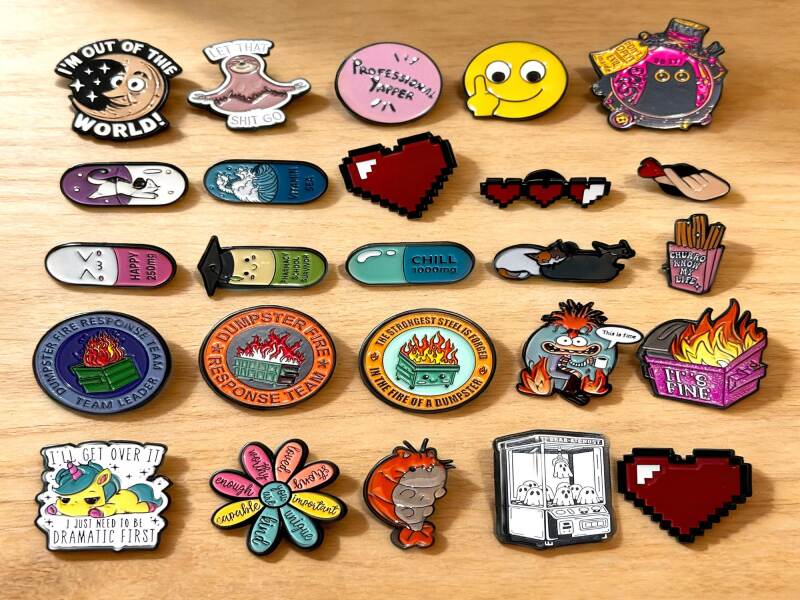
If you think small items cannot make a big impression, you must not have experienced the ultimate appeal of pin badges. These small pieces play a huge role in branding, and if we talk about a place full of tradition and culturally evolved like Australia, you will see many people wearing these tiny and captivating emblems. From brand storytelling to making personal statements, these badges have reemerged and are now becoming the centre of attention of every marketing professional. But making a statement can only be possible if you have an idea about how your badge can relate to the motive you are presenting. And for that, you should be well aware of how to guide the maker in making one for you.
Where to Start When Designing a Custom Pin?
What turns a simple customisation of a pin badge into a complete disaster is ignoring the basics and jumping straight to colours and shapes. Designing is not only about decoration; it’s about how it represents your brand, your sports theme, or anything. If you are a corporate professional, your badge will demand a completely different approach, and if you are launching limited-edition anniversary-theme pins, it will require more insights and in-depth research. The goal is clarity, and your concept should be simple enough to understand even at one glance. If you are planning to design one, look for retailers in your local area. They might not be globally known brands, but local brands have deeper insights into cultural heritage and are more aware of the storytelling of your traditions. Going forward, be very specific and clear about the idea and theme you have in mind, and make sure the designer understands your thoughts clearly. By keeping these basic steps in your mind, you can look forward to receiving an outcome that best fits your preferences.
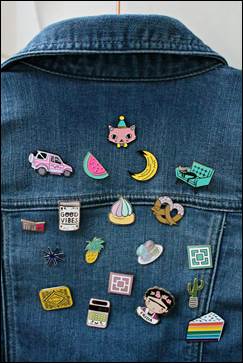
What is the Actual Production Process of Pin Badges? Let’s explore it!
Understanding each section of the process for custom hat pins helps you come up with more ideas for customising one. If you know how to select a design for a pin and which backing will be perfect for it, you will make things easier for yourself and the maker. This awareness naturally helps you make smart, creative decisions, and once you visualise the transformation of your idea into an appealing emblem, you will realise that every effort, every second, is worth it.
1. Concept Sketching
The beginning of this whole customisation of your pin badge starts with an idea, a rough sketch, or a reference, which are then further developed into digital drafts. We all know that badges are very small and tiny, so clarity and balance are the core principles of designers. They simplify shapes, define outlines, and decide where colour blocks will sit. Sometimes they also removed or refined fine or very small details to ensure they wouldn’t get lost in the production process. They know that creating a strong visual foundation is essential to meeting customer demands.
2. Conversion of Vectors
Following approval of the concept, the artwork is converted to a vector file, typically in EPS or AI format. The ability to scale a design without losing its quality makes vector artwork important. More significantly, producers map out enamel areas and metal borders using these crisp lines. The final badge’s appearance is directly impacted by the accuracy of this step since each line in the vector becomes a real metal ridge.
3. Mould Creation
Now comes the physical transformation of your design. Your vector file is used to engrave a custom metal mould, also known as a die. Consider it a stamp that reverses your design. The raised and recessed portions of the pin are defined by the mould. Accuracy is essential, since moulds are made with specialised engraving equipment, and once it’s formed, it’s expensive to make adjustments. For this reason, approval of the finished artwork is crucial before moving on.
4. Stamping & Cutting
The mould is used to stamp sheets of metal, usually brass, iron, or zinc alloy, under high pressure. The raised outlines and badge shape are created by imprinting the design onto the metal surface. Each component is trimmed to its final shape after stamping. Even though your emblem is currently only a colourless, raw-metal form, you can already see its well-defined borders.
5. Enhancing Outlook
After all these significant stages, your custom pin badge is now moved to sections such as colour filling, polishing, and plating. The colour placement needs to be done meticulously, with no detail left out. Many badge makers often advise choosing sharp and vibrant colours so these small emblems can be noticeable. After the colours are decided and applied, the pins are sent for baking, which hardens their enamel and makes them durable. Polishing is also a mandatory step, especially in metal-made pins, so they look shiny and opulent.
6. Backing Options
The backing attachment is fastened to the back side when the front design is finished. Standard butterfly clutches, rubber backs, and deluxe locking clasps for further protection are among the available options. To enhance endurance, the backing is usually mechanically fixed or soldered. Secure attachments are particularly important for bespoke pins that need to be attached to places other than jackets, so they do not easily come off.
7. Final Quality Check
Every badge is inspected before shipping, and manufacturers examine colour consistency, plating flaws, sharp edges, and sturdy back attachments to eliminate any possible flaws. This quality control procedure safeguards your brand’s reputation and ensures the finished batch meets production standards. This step guarantees that buyers will obtain a product that feels polished and expertly created for companies investing in pin badges Australia.
FAQs
Are customised pin badges durable enough to wear every day?
Absolutely. If made with precision and utmost attention to the details and quality, you can definitely wear pin badges every day without any hassle.
Is it possible to ask for different colours of pin badges with the same designs?
Yes. You can ask the manufacturer for this specification when you are giving orders for your pin badges.
What is the ideal size of a pin badge?
1.5 inches is considered the ideal, versatile, and balanced size for a pin badge. However, you can totally ask your retailer for your size preferences.
Are pin badges suitable for corporate events?
Pin badges are ideal if you are planning to launch them for corporate events. They are popular in Australia for their cultural relevance and high interactivity.
Design and Experience, Not Just Product
A pin badge might be considered small, but it carries significant weight in areas like promotions and personal statements. In places like Australia, where people are highly invested in events and culture and have rich, diverse roots in tradition, these small emblems completely change the game with their top-tier appeal. All of this is possible if you find a suitable manufacturer who understands your ideas and keeps you connected throughout the whole process. When you start treating the badge more as a product, you will see how people truly value the item that showcases effort and potential.